Nuisance Wildlife
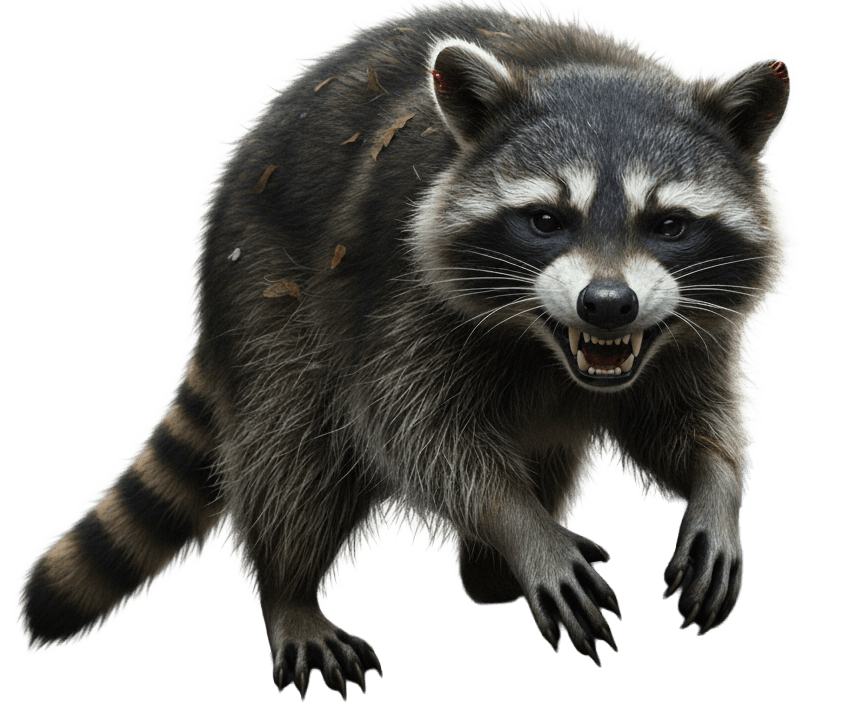
Raccoons (Procyon lotor)
Identification: Salt-and-pepper gray/black with a prominent black “mask”. Stocky body, heavily furred, ringed tail. Habits: Nocturnal omnivores (eat fish, mice, insects, trash, bird eggs). Den in hollow trees, ground burrows, barns, chimneys, and attics. Inactive during severe winter weather (but do not hibernate). Threats: Major hosts of rabies in the U.S.. Can carry raccoon roundworm (transmitted via ingesting microscopic eggs). Cause property damage by tearing off shingles or boards to access attics or wall space.
Bats (Various)
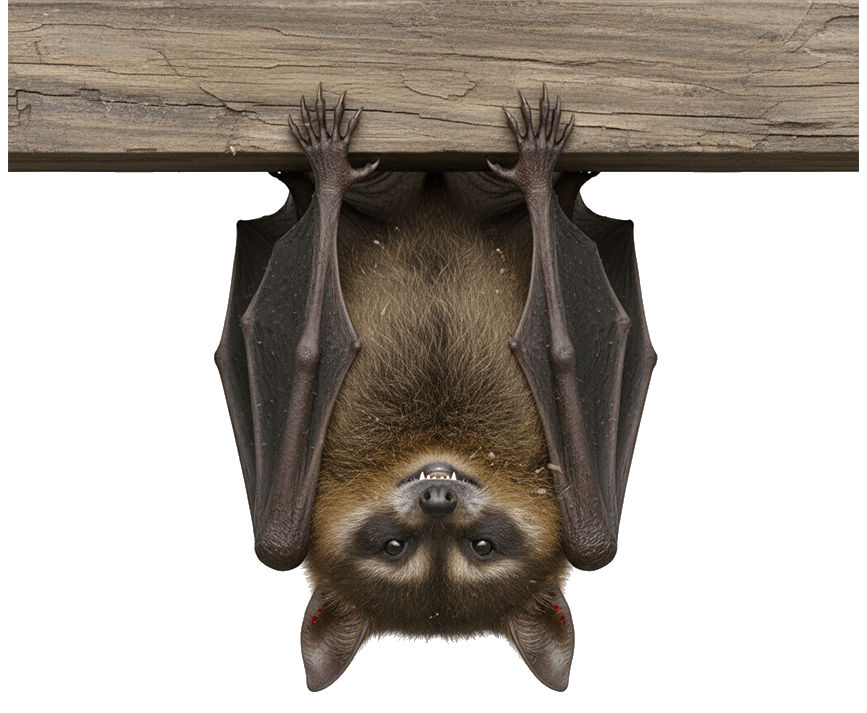
Identification: Hairy body, varies from tan to black, large ears, four limbs (front two are wings). Common Species: Little brown bat, big brown bat, and Mexican free-tailed bat are common species of inner structures. Habits: Nocturnal, often eat mosquitoes and other flying pests (one little brown bat can catch up to 600 mosquitoes in an hour). Enter homes through tiny spaces—a little brown bat can fit through a hole the size of a dime. Threats: Can harbor pests like bat bugs. Droppings (guano) have an unpleasant odor and can harbor pathogens that cause lung diseases like histoplasmosis. Some bats are infected with rabies. Control Note: Protected by law in Most states; check regulations before bat-proofing. Exclusion is the only long-term method; the best time to bat-proof is in the autumn after they have left for hibernation.
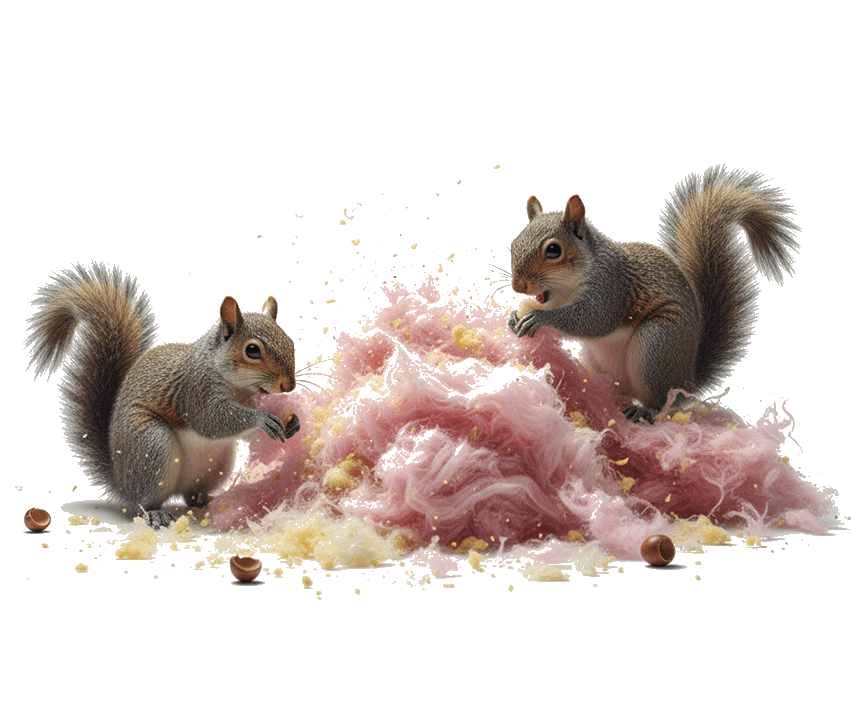
Tree Squirrels
Identification: Long furry body with bushy tail (can be as long as the body). Coloring varies (gray, red, black). Habits: Build nests in tree cavities or branches in summer; may invade homes in winter for warmth. Threats: Fiercely territorial. Considered pests because they frequently enter attics in the winter. Can damage electrical wires and telephone lines outdoors. Prevention: Keep tree limbs cut back six to eight feet from the roofline.
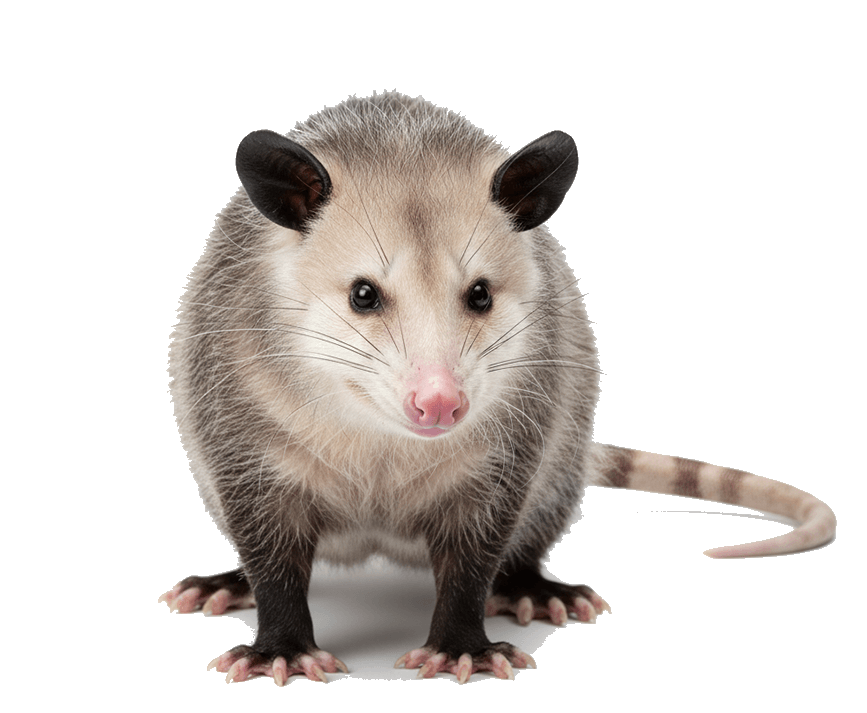
Opossums
Identification: White or gray with a pointed face and rat-like tail. Can reach up to 40 inches in length. Habits: Only marsupials in North America. Known for “playing dead” when threatened. Threats: Can create messy dens in attics or garages. May bite if threatened.
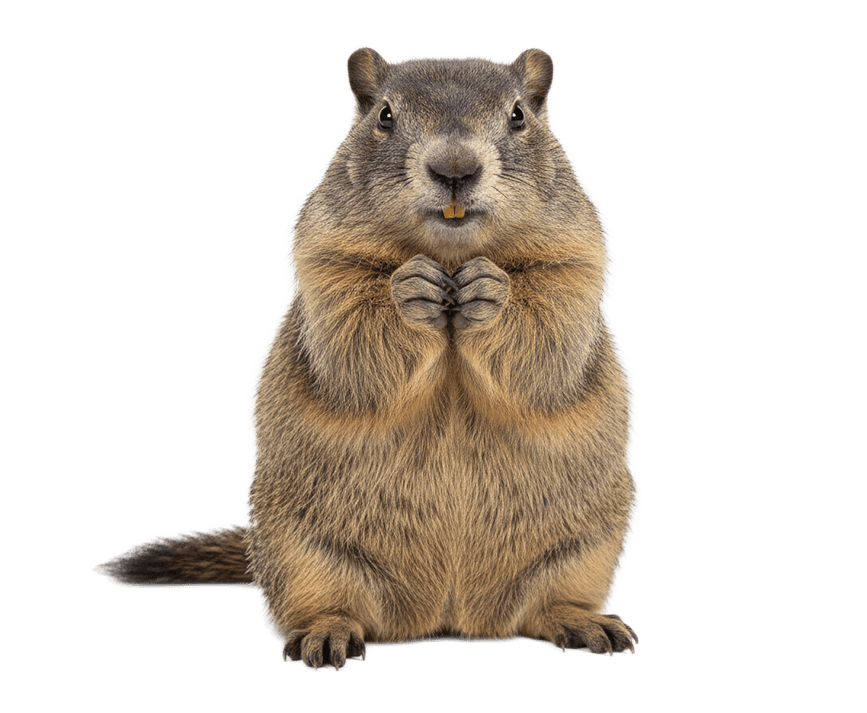
Groundhogs / Woodchucks
Habits: True hibernators from late fall until late February. Gorge themselves in summer to build fat reserves. Threats: Burrowing groundhogs can destroy building foundations.
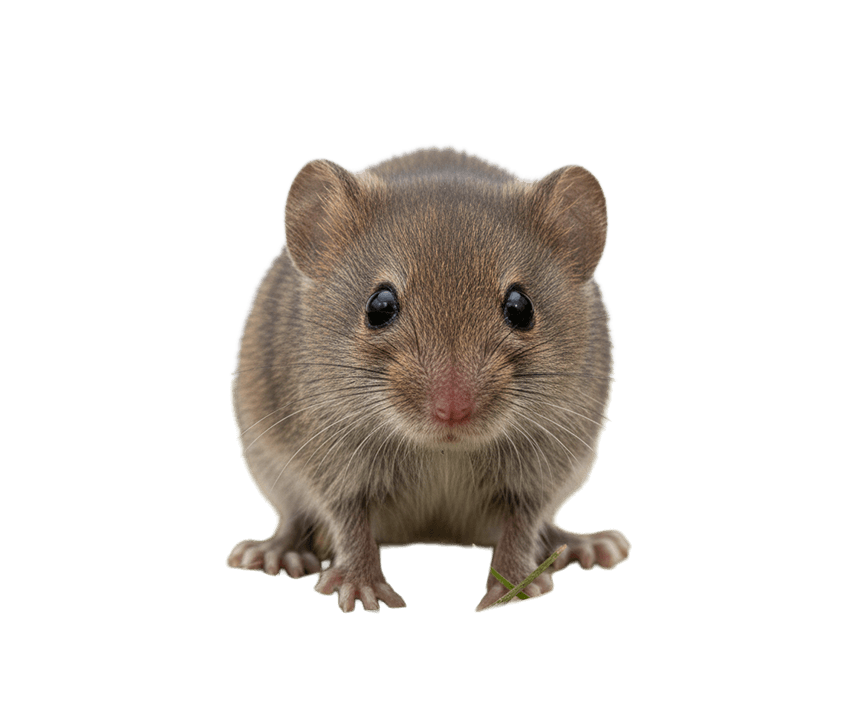
Voles (Meadow Mice)
Habits: Active year-round; do not hibernate. Construct extensive tunnel systems and runways. Threats: Cause extensive damage to orchards, young trees, field crops, and lawns/golf courses.
Common Household Pests & Rodents
Rodents (Mice & Rats)
Entry: Mice can enter through a hole the size of a dime, and a rat through a hole the size of a quarter. Attraction: Attracted to rooms with food, moisture, or clutter (e.g., kitchen, basement). Threats: Invade millions of homes each winter. Pose health threats; feces can spread bacteria and viruses. Signs: Droppings, runways (especially in dusty areas), grease smudges near walls. Prevention: Seal all holes larger than a pencil. Store food in rodent-proof containers.
Spiders
Includes Black Widow, Brown Recluse, Hobo Spiders, and common House Spiders. Provide facts and identification help.
Ants
Reference specific types like Carpenter Ants (often associated with property damage), Odorous House Ants, and Pharaoh Ants. Ants are one of the most common house pests.
Cockroaches
Reference specific types: American, Brown-Banded, Oriental, German Cockroaches. Often found in the bathroom or kitchen.
Bed Bugs
Habits: Nocturnal pests that feed on human blood. They hide in seams of mattresses (as they dislike light) and travel via luggage. Signs: Red, itchy welts; tiny blood spots; dried blood stains on mattresses; casings of dead bugs. Control Note: Must be eliminated using a licensed pest control company as DIY methods or over-the-counter products are insufficient.
Stinging Insects
Includes Africanized Bees, Bumble Bees, Carpenter Bees, Hornets, Paper Wasps, and Yellowjackets. Mention that they cause 500,000 ER visits annually and removal of nests should be left to professionals.
Occasional Invaders
Includes Stink Bugs, Boxelder Bugs, Camel Crickets, Centipedes, Earwigs, Silverfish, etc.. Offer tips for keeping stink bugs out.
Termites
Includes Subterranean, Drywood, and Dampwood Termites. Note they can cause serious structural and financial damage.
Ticks
Includes Blacklegged (Deer) Ticks and American Dog Ticks. Note they are a serious health concern capable of spreading disease.
Pest Prevention & Resources
Pest Identification Guidance
Explain the identification steps: Note characteristics (shape, size, color, legs, wings, antennae). Browse identification guides, compare images, and read about habits, habitats, and threats. Emphasize that consulting a professional can assist in identification.
The “Pest in the House” Interactive Guide
(If you build a room-by-room guide) Explain that pests are attracted to rooms with food, moisture, or clutter. List common pests by location (e.g., ants in the kitchen, mice in the basement).
Exclusion & Pest-Proofing Tips
General: Seal cracks/crevices with caulk and steel wool. Repair torn window/door screens. Use door sweeps. Wildlife Specific: Cut back tree limbs 6 to 8 feet from the roofline. Store trash in sealed, animal-proof containers. Screen attic vents, laundry vents, and chimney openings.
Health Risks & Dropping Cleanup
Warn that pests like bats, rodents, and raccoons can carry diseases (rabies, histoplasmosis). Explain that animal and bird droppings/urine contain disease-causing microorganisms. Provide safety guidelines for cleaning small accumulations: air out the area first, wear protective gear (gloves, N95 mask), wet contaminated surfaces with a bleach/water solution, and avoid vacuum cleaners. Recommend contacting professionals for large accumulations of droppings.
When to Call a Professional (Pest Pro)
Stress that active infestations, protected animals (like bats), or complex problems should be handled by a licensed professional, not through DIY measures. Professionals can identify entry points and develop eradication plans.